
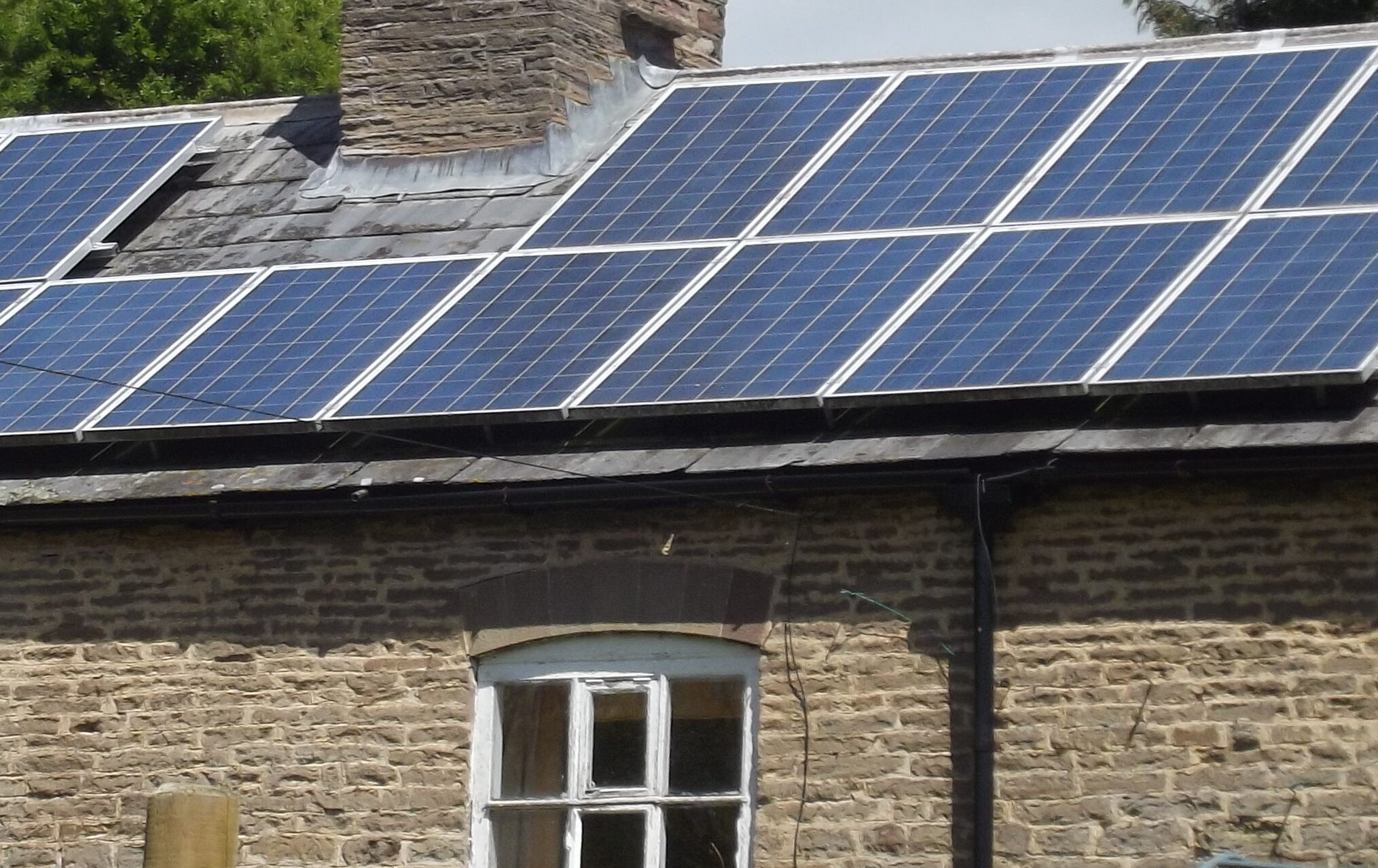
The Investment Tax Credit (ITC) for commercial and utility scale solar energy will expire at the end of 2027 – with notable exceptions. Investing in on-site solar energy still makes practical, economic sense regardless of the availability of federal tax incentives.
Solar energy provides significant benefits including:
- Predictable and stable electricity costs: lock-in rates for 25 or more years
- Reduced utility expenses: lowering overhead costs for property owners or their tenants
- Environmental impact: avoiding carbon emissions and other forms of air pollution.
What’s expiring?
The federal ITC offers a 30-50% discount for non-residential owned solar installations:
- 30% base ITC expires December 31, 2027. For businesses and tax-exempt property owners to take advantage, the solar array must be installed, operational, and interconnected with the utility.
- +10% Energy Community Incentive, available for projects located within Southeast Pennsylvania, may expire in June 2027 if eligibility maps are redrawn. The incentive can be applied if at least 5% of the project’s costs are paid for by June 30, 2027.
- +10% Domestic Content Incentive, available for projects using equipment manufactured in the United States. Sourcing must be verified with the installer.
What’s a “safe harbor” provision?
The ITC allows projects to claim the full eligible value of the credit so long as at least 5% of a project’s equipment was purchased before July 1, 2026. Projects using the equipment must be placed in service within four years from when the equipment was purchased.
Not all installers hold this safe-harbored equipment. In situations when the supplier pre-purchased eligible equipment, the ITC is extended for four years after the equipment’s purchase date – with no changes to the ITC value. This provides an opportunity for businesses and tax-exempt organizations to take advantage of the ITC even if they are not able to place a system in service by the end of 2027.
Solarize Greater Philadelphia is aware of certain solar developers who safe harbored equipment in their inventory. Contact us directly for assistance determining if our partner installers can deploy safe-harbored equipment to new projects.
What additional incentives are available for solar installations?
The following do not have expiration dates:
- PECO Act 129: Local Pennsylvania utilities such as PECO offer incentives based on projected solar production in the first year of operation. Solarize Greater Philadelphia partner installers can assist with the utility application process.
- Solar Renewable Energy Credits (SRECs): Pennsylvania Department of Environmental Protection oversees the market for credit payments, available over the lifespan of any installed system. SRECs are market-based instruments issued for each megawatt-hour of electricity generated from solar energy systems.
What does all of this mean for your organization’s decision-making process?
Regardless of incentives, there is currently a backlog of projects waiting to be installed and connected. This reflects the financial merits of installing on-site solar in 2027 and beyond.
For those looking to initiate an on-site solar project, a realistic timeline could follow this framework:
- RFP or bid process (typically 3 months)
- Contract negotiation and signing (typically 1-2 months)
- Installation of solar system (varies based on size)
- Utility interconnection review (ranges from a few weeks to a few months)
- Permission to Operate (PTO) issued by utility
Contact Solarize Greater Philadelphia for guidance on ITC eligibility, safe harboring provisions, and local incentives. Our team at the Philadelphia Energy Authority (PEA) and Philadelphia Green Capital Corp. (PGCC) will work with you to provide the information and assistance you need to go solar and to reduce electricity costs. Take the next step today toward a successful and profitable solar project.